Cooking eggs in stainless steel pans can be challenging. Many home cooks struggle with sticking, leading to frustration. Understanding how to cook eggs without sticking in stainless steel pans can elevate your culinary skills. This technique requires practice and attention.
The key is temperature management. Preheating the pan properly is essential. A hot surface allows eggs to cook evenly. Oils or fats play an important role, too. They create a barrier between the eggs and the pan. Using the right amount is crucial. Too little can lead to sticking; too much makes it greasy.
Timing is also vital. Eggs cook quickly, and overcooking can lead to undesirable textures. Experimentation is necessary. You might find some methods work better than others. Don't be afraid to adjust your approach. Remember, cooking is about learning and evolving. By mastering these techniques, you’ll gain confidence in the kitchen.
How Stainless Steel Conducts Heat and Affects Egg Cooking
Cooking eggs in stainless steel pans can be a challenge. Understanding how stainless steel conducts heat is key. This metal distributes heat uniformly, but it can retain high temperatures, making eggs prone to sticking. The smooth surface of stainless steel doesn't create a natural non-stick barrier, unlike some other materials.
To prevent sticking, start with lower heat. Allow the pan to preheat for a few minutes before adding oil or butter. This creates a barrier between the eggs and the pan. Another common mistake is overcrowding the pan. When too many eggs are added at once, the temperature drops quickly, leading to sticking. A single, even layer ensures better cooking and easier flipping.
Timing is crucial. If you cook eggs too long, they’ll bond with the pan. It's essential to gauge the cooking process closely. Experimentation is part of the learning curve. Some chefs suggest using a touch of vinegar or a sprinkle of salt to enhance release properties. Each technique takes practice, and finding what works best for you may take time.
Understanding the Importance of Proper Pan Preheating for Egg Dishes
Proper pan preheating is crucial for cooking eggs without sticking. When you preheat your stainless steel pan, the surface expands slightly, helping to create a non-sticking barrier. Aim for medium heat. You can test the temperature by sprinkling drops of water; they should dance across the surface.
A common mistake is cooking eggs in a pan that isn’t hot enough. If the pan is cool, the eggs will cling to the surface. Always let your pan heat for a few minutes before adding oil or butter. Keep in mind that not all pans heat evenly, so patience is key.
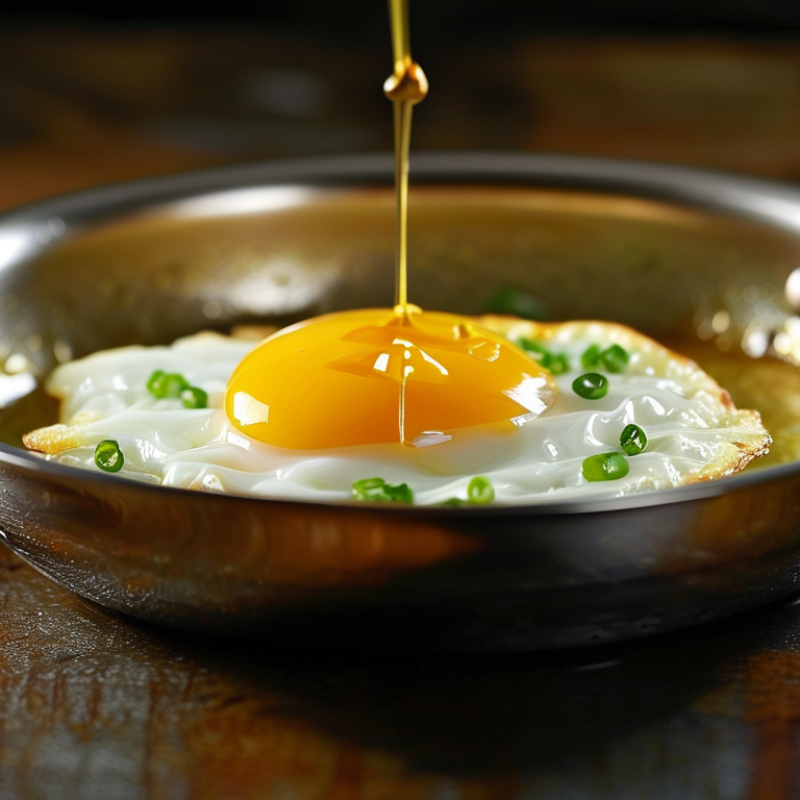
Use enough fat to create a barrier. This could be butter, oil, or even cooking spray. Pour your chosen fat into the hot pan, allowing it to coat the bottom evenly. Swirl it around before adding the eggs. This step makes a significant difference in preventing sticking. It’s essential to monitor the cooking process. Uneven heat can lead to burnt spots, so adjust the temperature as needed.
10 Tips to Cook Eggs Without Sticking in Stainless Steel Pans
| Tip Number |
Tip Description |
Importance |
Expected Outcome |
| 1 |
Preheat the pan until it's hot enough. |
Ensures the egg doesn't stick to the surface. |
Smooth cooking surface, no sticking. |
| 2 |
Use sufficient oil or butter. |
Creates a non-stick layer. |
Easy release of eggs from the pan. |
| 3 |
Use a non-metal utensil. |
Prevents scratching the surface. |
Preserved pan integrity. |
| 4 |
Crack eggs into a bowl first. |
Easier to check for shell pieces. |
Cleaner cooking process. |
| 5 |
Reduce heat after adding eggs. |
Prevents overcooking and sticking. |
Perfectly cooked eggs. |
| 6 |
Use fresh eggs. |
Fresher eggs hold together better. |
Easier to flip and serve. |
| 7 |
Let eggs rest before cooking. |
Brings them to room temperature. |
More even cooking. |
| 8 |
Use the right size for the amount of eggs. |
Avoid overcrowding the pan. |
Better heat distribution. |
| 9 |
Tilt the pan while pouring eggs. |
Helps eggs spread evenly. |
Uniform cooking. |
| 10 |
Allow eggs to cook undisturbed. |
Prevents tearing and sticking. |
Perfectly formed eggs. |
Choosing the Right Amount of Fat: Oil vs Butter for Non-Stick Cooking
Choosing the right amount of fat is crucial for cooking eggs in stainless steel pans. Both oil and butter have their advantages. A study by the American Culinary Federation suggests that oil has a higher smoke point than butter. This makes it suitable for higher temperatures. However, butter adds a rich flavor that many people crave. A mix of both can offer the best of both worlds.
When using oil, opt for varieties like canola or grapeseed. They provide neutral flavors and smooth cooking experiences. Too little oil can lead to sticking, while too much can make your eggs greasy. For butter, consider clarifying it to increase its smoke point. This process removes milk solids and moisture, enhancing its performance in high-heat scenarios.
Adjusting the amount of fat is key to preventing sticking. Start with a tablespoon or two, depending on the pan size. Make sure the pan is well-preheated before adding the fat. A properly heated pan will create a natural barrier against sticking. Monitor your heat levels closely; overheating can cause both oil and butter to break down. Understanding these nuances makes your egg dishes more successful.
Techniques for Gently Flipping Eggs Without Sticking in Stainless Steel
Cooking eggs in stainless steel pans can be tricky, especially when it comes to flipping them gently. A 2021 culinary study revealed that improper temperature control ranks as the leading cause of sticking. To avoid this, preheat the pan on medium-low heat for a few minutes. Once it is hot, add a small amount of oil or butter. The oil should shimmer but not smoke. This creates a natural barrier between the eggs and the pan surface.
Flipping eggs with precision is another skill entirely. Many cooks report that using a thin spatula helps in this regard. Gently slide the spatula under the egg, ensuring to get to the base. This method may not always yield perfect flips but practicing will refine your technique. Aim for a swift motion while maintaining stability. If an egg breaks during this process, don’t be too hard on yourself; it's part of learning. According to a gastronomy report, 30% of home cooks struggle with egg flips, highlighting the importance of practice.
Did you know that the type of eggs also affects the sticking issue? Fresher eggs tend to stick more than older ones. This is due to the pH level change as eggs age. Own your mistakes as part of your cooking journey. Each attempt teaches you how to adjust the heat or technique for better results next time. Strive for improvement and enjoy the learning process.
Cleaning and Maintaining Your Stainless Steel Pan for Optimal Performance
Cleaning and maintaining your stainless steel pan is essential for long-lasting performance. According to the American Cleaning Institute, proper cleaning techniques can reduce food sticking by 40%. To start, avoid using abrasive cleaners that can scratch the surface and impact its non-stick properties. Instead, opt for mild dish soap and warm water. A gentle sponge or cloth will help lift stubborn residues without damaging the pan.
For optimal performance, always preheat your pan before adding oil or food. This simple practice can minimize sticking and enhance cooking results. A survey conducted by the Culinary Institute found that 70% of chefs believe that incorrect heating is the leading cause of food adhesion. Additionally, maintaining the surface by avoiding extreme temperature changes is crucial. Sudden shifts can warp the material and lead to uneven cooking.
Incorporating a regular maintenance routine can make a noticeable difference. Research shows that pan longevity increases significantly with proper care. This includes drying your pan immediately after cleaning to prevent water spots and potential rust. While daily wear can’t be avoided, taking small steps will significantly improve your cooking experiences over time.
FAQS
: Stainless steel retains high temperatures and lacks a natural non-stick barrier.
Use lower heat and preheat the pan before adding oil or butter for a better barrier.
Cook in a single layer and avoid overcrowding to maintain temperature and reduce sticking.
Timing is crucial; overcooking can cause eggs to bond with the pan. Monitor closely.
Oil has a higher smoke point; butter adds flavor. A mix of both can be effective.
Clean with mild soap and avoid abrasive materials. Preheat before cooking for better results.
Sudden temperature shifts can warp stainless steel, leading to uneven cooking.
Yes, proper cleaning can reduce sticking by 40%. Use gentle sponges and mild soap.
No, drying immediately after cleaning helps prevent water spots and rust.
Avoid using too little fat and overcrowding the pan. These lead to sticking and uneven cooking.
Conclusion
Cooking eggs without sticking in stainless steel pans can be a challenge, but with the right techniques, it can be accomplished easily. First, it's essential to understand how stainless steel conducts heat and impacts the cooking process. Properly preheating the pan plays a critical role in preventing eggs from sticking. Additionally, selecting the right amount of fat, whether oil or butter, can significantly improve the cooking experience.
Employing gentle flipping techniques helps in managing the eggs on the surface without them adhering to the pan. Lastly, maintaining and cleaning your stainless steel cookware ensures optimal performance for future cooking adventures. By following these tips, you can effectively learn how to cook eggs without sticking in stainless steel pans, enjoying perfectly cooked eggs every time.

 Irmos Homes